
In an effort to lose weight fast, many people turn to diet pills, often without fully understanding the potential risks involved. Japanese diet pills have gained popularity worldwide due to their aggressive marketing and claims of rapid weight loss.
However, beneath the allure of these promises lies a dark reality: many of these products are not only ineffective but also could be dangerous.
It is important to remember that not all Japanese diet pills are dangerous, it is the few that affect the country's reputation
One particularly concerning issue is the presence of undeclared ingredients, such as phenolphthalein, which pose significant health risks.
Let's delve into the dangers associated with some popular Japanese diet pills and highlight a specific case involving phenolphthalein, shedding light on the broader implications of using such unregulated products.
The Appeal and Risks of Diet Pills
There is an increasingly booming market for diet pills. These products are often marketed as miracle solutions that can help you to shed pounds effortlessly.
Japanese diet pills are particularly appealing due to the perception that they are rooted in traditional Japanese health practices, which are often associated with longevity and wellness. However, the reality can be starkly different.

Most diet pills, including those from Japan, fall into two main categories:
- Those that suppress appetite
- Those that increase metabolism
While some of these pills may contain natural and/or safe ingredients, others are laced with synthetic chemicals that can have serious side effects.
Common side effects include increased heart rate, high blood pressure, insomnia, and digestive issues. More severe consequences can include heart attacks, strokes, and even death.
The Issue of Undeclared Ingredients
A significant concern with diet pills is the presence of undeclared ingredients. These are ingredients not listed on the product's label, which means consumers are unaware of what they are taking.
This lack of transparency can lead to serious health complications, especially when these hidden ingredients are harmful or interact negatively with other medications consumers are taking.
One notorious undeclared ingredient found in some diet pills is phenolphthalein. Originally used as a laxative, phenolphthalein was withdrawn from the market in the United States in 1999 due to concerns about its potential carcinogenic effects.
Despite this, it continues to be found in some over-the-counter diet products, particularly those sold online from countries with less stringent regulatory oversight, such as Japan.
Case Study: Phenolphthalein in Japanese Diet Pills
In a recent case that highlights the dangers of unregulated diet pills, a Japanese product sold online was found to contain undeclared phenolphthalein.
“FDA laboratory analysis confirmed that “Japan Rapid Weight Loss Diet Pills Green” contains undeclared phenolphthalein.
Phenolphthalein is a solution used in chemical experiments and a suspected cancer-causing agent that is not approved for marketing in the United States. ” – FDA
The product was marketed as a natural and safe weight loss solution, boasting ingredients derived from traditional Japanese medicine. However, laboratory tests revealed that it contained significant amounts of phenolphthalein, posing serious health risks to consumers.
Phenolphthalein acts as a stimulant laxative, promoting bowel movements by irritating the lining of the intestines. While this may result in temporary weight loss due to water loss and increased bowel movements, it does not lead to actual fat loss.
More importantly, the long-term use of phenolphthalein can lead to severe gastrointestinal issues, dehydration, and an imbalance in electrolytes.
Its potential carcinogenicity adds another layer of risk, making its presence in diet pills particularly concerning.
Health Risks Associated with Phenolphthalein
The health risks of phenolphthalein are well-documented.
Short-term use can cause:
- abdominal cramps
- diarrhea
- nausea
Prolonged use can lead to:
- chronic gastrointestinal disturbances
- dependency on laxatives for regular bowel movements
- severe dehydration.
The most alarming risk is its potential to cause cancer. Studies have shown that phenolphthalein can induce tumors in rodents, leading to its classification as a possible human carcinogen by the International Agency for Research on Cancer (IARC).
The Regulatory Challenge
One of the main challenges in controlling the safety of diet pills, particularly those sold online, is the lack of stringent regulation.
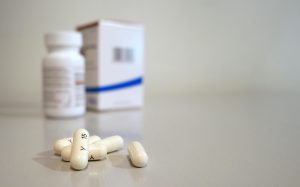 In many countries, dietary supplements are not subject to the same rigorous testing and approval processes as pharmaceutical drugs. This regulatory gap allows unscrupulous manufacturers to market products with misleading claims and undeclared ingredients.
In the case of Japanese diet pills, the issue is compounded by the global nature of e-commerce. Consumers can easily purchase these products online, often from websites that do not provide adequate information about the product's ingredients or the manufacturer's credibility.
This makes it difficult for regulatory authorities to monitor and control the sale of potentially dangerous supplements.
Protecting Consumers: Steps to Take
Given the risks associated with diet pills, it is crucial for consumers to be vigilant and take proactive steps to protect their health:
- Research Thoroughly: Before purchasing any diet pill, research the product and its ingredients. Look for reviews from credible sources and check if there have been any reports of adverse effects.
- Consult Healthcare Professionals: Always consult with a healthcare professional before starting any weight loss supplement. They can provide guidance based on your individual health needs and potential risks.
- Buy from Reputable Sources: Purchase supplements from reputable pharmacies or trusted online retailers. Avoid products that make unrealistic claims or are sold at unusually low prices.
- Read Labels Carefully: Check the product label for a complete list of ingredients. Be wary of products that do not provide detailed information about their composition.
- Report Adverse Effects: If you experience any adverse effects after taking a diet pill, report it to the appropriate regulatory authorities. This can help prevent others from being harmed by the same product.
Conclusion
While the allure of quick weight loss through diet pills can be tempting, the potential health risks far outweigh the benefits.
The case of Japanese diet pills containing undeclared phenolphthalein underscores the dangers of using unregulated supplements. Consumers must exercise caution, conduct thorough research, and consult healthcare professionals before using any weight loss products.
By taking these steps, you can protect their health and avoid the potentially severe consequences of using unsafe diet pills.
What is the Best Alternative?
When it comes to your health, don't take risks with unregulated diet pills that can contain harmful, undeclared ingredients.
Choose trusted supplements like PhenQ, which are manufactured to the highest standards and backed by scientific research. PhenQ offers a safe and effective way to support your weight loss journey without compromising your well-being.
Opt for quality and peace of mind by choosing reputable products that prioritize your health. Make the smart choice and invest in a supplement you can trust.
Click here for my PhenQ review

Author: Aileen Boyd
Hi, I'm Aileen Boyd, the owner of Diet Pill Judge. I have personally tried loads of diet pills over the years and found that only a few of them really work.
My background is in science, so I set out to find supplements that have scientific evidence behind them and which I can confidently recommend.
Last Updated on July 8, 2024 by Aileen Boyd


