
Gym anxiety or gymtimidation is a common issue affecting many people starting a new fitness plan or going back after a break. It can manifest as self-consciousness about one's body, intimidation by equipment, or feeling overwhelmed by the gym environment. This anxiety can significantly hinder progress towards fitness goals and may lead to gym avoidance.
Identifying the underlying causes of gym anxiety is crucial for overcoming it. It is important to acknowledge that everyone experiences insecurities and fears, and feeling anxious about gym attendance is a normal reaction. Recognizing these emotions allows people to address them and develop coping strategies.
“You don’t have to be extreme. Just consistent.”
One common source of gym anxiety is the fear of judgment from others. Many individuals worry about being evaluated based on their appearance, fitness level, or lack of exercise knowledge. This fear can be debilitating and may prevent full engagement in workouts.
However, it is essential to understand that most gym-goers are focused on their own fitness journeys and are unlikely to judge others. By redirecting focus towards personal goals and progress, you can begin to alleviate some of the anxiety associated with the gym environment. Recognizing gym anxiety as a common experience and understanding its root causes are vital steps in overcoming this obstacle and cultivating a more positive gym experience.
Key Takeaways
- Gym anxiety is a common feeling that many people experience when starting a new fitness routine or returning after a break.
- Setting realistic expectations can help alleviate pressure and reduce anxiety about gym performance.
- Finding a support system, such as a workout buddy or a supportive friend, can provide encouragement and motivation.
- Creating a comfortable routine by choosing a gym with a welcoming atmosphere and scheduling workouts at less crowded times can help reduce anxiety.
- Practicing mindfulness and relaxation techniques, such as deep breathing or meditation, can help manage anxiety before and during gym sessions.
- Seeking professional help from a therapist or counselor can provide additional support for managing gym anxiety.
- Celebrating small victories, such as completing a workout or reaching a fitness goal, can boost confidence and reduce anxiety about going to the gym.
Setting Realistic Expectations
Avoiding Unrealistic Goals
When starting a new fitness routine, it's essential to set realistic expectations to avoid feeling overwhelmed or discouraged. Many people fall into the trap of setting lofty goals that are difficult to achieve, leading to frustration and a sense of failure.
Setting Achievable Goals
Instead, it's important to set small, achievable goals that can be built upon over time. For example, rather than aiming to lose a significant amount of weight in a short period, focus on smaller, more attainable goals such as increasing the number of days per week spent at the gym or improving endurance during workouts. By setting realistic expectations, you can experience a sense of accomplishment as you reach these milestones, which can help boost confidence and motivation.
The Importance of Patience and Consistency
Additionally, it's crucial to understand that progress takes time and consistency. Building strength, endurance, and overall fitness is a gradual process that requires dedication and patience. It's unrealistic to expect immediate results, and putting too much pressure on oneself can lead to burnout or disappointment.
Maintaining Motivation
By setting realistic expectations and understanding that progress may be slow at times, you can approach your fitness journey with a more positive and sustainable mindset. Overall, setting realistic expectations is key to maintaining motivation and avoiding feelings of inadequacy or frustration when embarking on a new fitness routine.
Finding a Support System

Having a support system can make a significant difference in overcoming gym anxiety and staying motivated on the fitness journey. Whether it's a friend, family member, or workout buddy, having someone to share the experience with can provide encouragement, accountability, and a sense of camaraderie. Finding a support system can involve joining group fitness classes, participating in online fitness communities, or simply enlisting the help of a trusted individual to provide moral support.
By surrounding oneself with positive influences and like-minded individuals, it becomes easier to navigate the challenges of gym anxiety and stay motivated to reach fitness goals. Furthermore, a support system can provide valuable feedback and guidance when it comes to navigating the gym environment and developing an effective workout routine. Whether it's receiving tips on proper form, trying new workout styles, or simply having someone to share experiences with, having a support system can enhance the overall fitness journey.
Having someone to celebrate achievements with can make the process more enjoyable and rewarding. Overall, finding a support system is crucial for overcoming gym anxiety and staying motivated on the path toward improved health and fitness.
Creating a Comfortable Routine
Creating a comfortable routine is essential for overcoming gym anxiety and establishing a sustainable fitness regimen. This involves finding a workout schedule that fits into your lifestyle and allows for consistency without feeling overwhelming. It's important to consider factors such as time of day, preferred types of exercise, and personal energy levels when creating a routine.
By tailoring the workout schedule to individual preferences and needs, it becomes easier to stick to the plan and avoid feelings of dread or anxiety about going to the gym. Additionally, creating a comfortable routine involves finding activities that are enjoyable and engaging. Whether it's trying different workout classes, exploring outdoor activities, or incorporating variety into the routine, finding activities that are personally fulfilling can make the fitness journey more enjoyable.
This can help alleviate feelings of anxiety and make it easier to stay motivated over the long term. Overall, creating a comfortable routine that aligns with personal preferences and lifestyle is crucial for overcoming gym anxiety and establishing a sustainable fitness regimen.
Practicing Mindfulness and Relaxation Techniques
Practicing mindfulness and relaxation techniques can be beneficial for managing gym anxiety and promoting a positive mindset towards exercise. Mindfulness involves being present in the moment and focusing on one's thoughts and feelings without judgment. This practice can help people become more aware of their emotions surrounding gym anxiety and develop strategies for coping with these feelings.
Additionally, relaxation techniques such as deep breathing, meditation, or yoga can help reduce stress and promote a sense of calmness before, during, and after workouts. Furthermore, incorporating mindfulness and relaxation techniques into the fitness routine can enhance the overall experience and make it more enjoyable. By taking time to center oneself before engaging in physical activity, people can approach workouts with a clear mind and positive attitude.
This can help alleviate feelings of anxiety and make it easier to fully engage in the exercise experience. Overall, practicing mindfulness and relaxation techniques can be valuable tools for managing gym anxiety and promoting a more positive relationship with fitness.
How Can Zotrim Help?
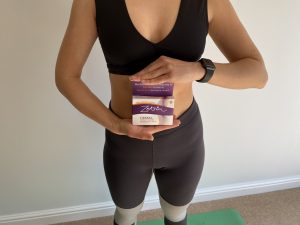
Zotrim can be beneficial for individuals starting the gym or managing gym anxiety through the following ways:
1. Boosting Energy Levels
Benefits:
- Increased Stamina and Endurance: Zotrim contains ingredients like yerba mate and guarana, which are natural stimulants that provide a sustained energy boost. This can help you feel more energetic and motivated to start and maintain a gym routine.
- Enhanced Physical Performance: With more energy, you can perform better during workouts, which can lead to quicker progress and increased confidence in your fitness journey.
2. Enhancing Focus and Mood
Benefits:
- Improved Mental Clarity: The caffeine in Zotrim not only boosts physical energy but also enhances mental focus. This can help you stay concentrated on your workout routines and execute exercises with proper form.
- Better Mood: Ingredients like damiana are known for their mood-enhancing properties. A better mood can reduce feelings of anxiety and make going to the gym a more enjoyable experience.
3. Appetite Control
Benefits:
- Healthy Eating Habits: By suppressing appetite, Zotrim can help you make healthier food choices and avoid emotional eating, which can be linked to anxiety. Proper nutrition supports better overall mental and physical health, aiding in anxiety management.
- Reduced Cravings: Controlling cravings can lead to more balanced blood sugar levels, preventing mood swings and anxiety that can come from irregular eating patterns.
4. Building Confidence
Benefits:
- Weight Management: Effective weight management with Zotrim can lead to physical changes that enhance self-esteem. Feeling better about your body can reduce anxiety related to body image and boost confidence in the gym.
- Progress Tracking: Seeing tangible results from using Zotrim, such as weight loss and improved fitness, can be highly motivating. This positive reinforcement can reduce gym-related anxiety by showing that your efforts are paying off.
5. Encouraging Consistency
Benefits:
- Routine Establishment: Zotrim can help establish a consistent gym routine by providing the necessary energy and focus. Consistency is key to overcoming gym anxiety, as familiarity with the environment and exercises builds confidence.
- Habit Formation: Regular use of Zotrim can help create a habit of going to the gym, which can reduce anxiety over time as you become more comfortable and experienced.
Zotrim can support you in starting to go to the gym or dealing with anxiety by providing energy, improving mood and focus, suppressing appetite, boosting confidence, and encouraging consistency. These benefits collectively contribute to a more positive and less anxious gym experience, helping you stay committed to your fitness goals.
Click here to read my full Zotrim review
Seeking Professional Help

Strategies for Managing Anxiety
Therapists can provide individuals with effective strategies for managing anxiety, addressing negative thought patterns, and developing coping mechanisms for navigating the gym environment. With the help of a therapist, individuals can learn to reframe their mindset, build confidence, and develop the skills necessary to overcome gym anxiety.
Exploring the Root Causes of Gym Anxiety
Seeking professional help can also provide individuals with a safe space to explore the root causes of their gym anxiety and work towards finding solutions. Therapists can offer personalized guidance and support tailored to individual needs, helping individuals develop a deeper understanding of their anxiety and work towards overcoming it.
Towards a More Positive Relationship with Exercise
Overall, seeking professional help can be an important step in addressing gym anxiety and working towards a more positive relationship with exercise. With the right support and guidance, individuals can overcome their anxiety, build confidence, and develop a healthier, more positive relationship with physical activity.
Celebrating Small Victories
Finally, celebrating small victories is crucial for maintaining motivation and building confidence on the fitness journey. Whether it's reaching a new personal best in strength training, completing a challenging workout class, or consistently sticking to a workout routine, acknowledging these achievements can provide a sense of accomplishment and reinforce positive behavior. By celebrating small victories along the way, you can stay motivated and focused on your long-term fitness goals.
Furthermore, celebrating small victories can help shift the focus away from feelings of anxiety or inadequacy toward recognizing progress and growth. This positive reinforcement can help build confidence and resilience when facing challenges in the gym environment. Additionally, celebrating small victories with a support system or within a community can provide an extra layer of encouragement and validation.
Celebrating small victories is essential for maintaining motivation and building confidence on the fitness journey.
FAQs
What is gym anxiety?
Gym anxiety refers to the feeling of nervousness, self-consciousness, or fear that some individuals experience when going to the gym. It can be triggered by various factors such as feeling intimidated by others, being unsure of how to use gym equipment, or feeling insecure about one's physical appearance.
What are the common symptoms of gym anxiety?
Common symptoms of gym anxiety may include increased heart rate, sweating, feeling self-conscious, avoiding eye contact, comparing oneself to others, and feeling overwhelmed by the gym environment.
How can I overcome gym anxiety?
To overcome gym anxiety, it can be helpful to start with small steps such as going to the gym during off-peak hours, bringing a friend for support, or seeking guidance from a personal trainer. Gradually exposing oneself to the gym environment and focusing on personal goals can also help in overcoming gym anxiety.
Are there any strategies to manage gym anxiety?
Strategies to manage gym anxiety include practicing deep breathing or mindfulness techniques, focusing on the positive aspects of going to the gym, setting realistic goals, and reminding oneself that everyone has their own fitness journey.
Is it common to experience gym anxiety?
Yes, it is common for individuals, especially beginners, to experience gym anxiety. The fear of judgment, unfamiliarity with gym equipment, and the pressure to perform can contribute to feelings of anxiety in a gym setting.
When should I seek professional help for gym anxiety?
If gym anxiety significantly impacts your ability to exercise or negatively affects your mental well-being, it may be beneficial to seek professional help from a therapist or counselor who can provide support and guidance in managing anxiety related to the gym.

Author: Aileen Boyd
Hi, I'm Aileen Boyd, the owner of Diet Pill Judge. I have personally tried loads of diet pills over the years and found that only a few of them really work.
My background is in science, so I set out to find supplements that have scientific evidence behind them and which I can confidently recommend.
Last Updated on July 31, 2024 by Aileen Boyd


